As South Florida’s potential to pioneer climate resiliency comes into focus, we at The Miami Foundation are pursuing innovations in how the philanthropic sector prepares for and responds to local climate disasters. The 2024 disaster season marks the first time that the Foundation has invested in a parametric insurance policy, making us one of the nation’s first philanthropic institutions to explore this approach to disaster relief.
Parametric insurance insures against the occurrence of a measurable, pre-defined event – in our case, a hurricane’s landfall. Parametric policies are unique in that they disburse payouts based on a measure of the hazard, also known as the policy’s “trigger.” Payouts on The Miami Foundation’s policy are triggered based on the windspeed and proximity of an arriving storm.
What’s more, parametric insurance policy payouts are issued immediately upon being triggered. Compare this to more traditional insurance policies, which generally involve lengthy claims processes that require proof of damages. Under these more traditional policies, it can take months or even years after a catastrophic event before policyholders receive payment for damages.
Parametric policies are already in use across the globe as part of climate disaster response. When Hurricane Beryl recently hit Jamaica, it was a parametric insurance policy that helped the country begin immediate recovery efforts. Last year, Morocco received the largest payout ever issued through parametric insurance coverage following a 6.8 magnitude earthquake. Domestically, New York has leveraged parametric insurance to protect against flooding and Hawaii is using it to protect coral reefs from damage.
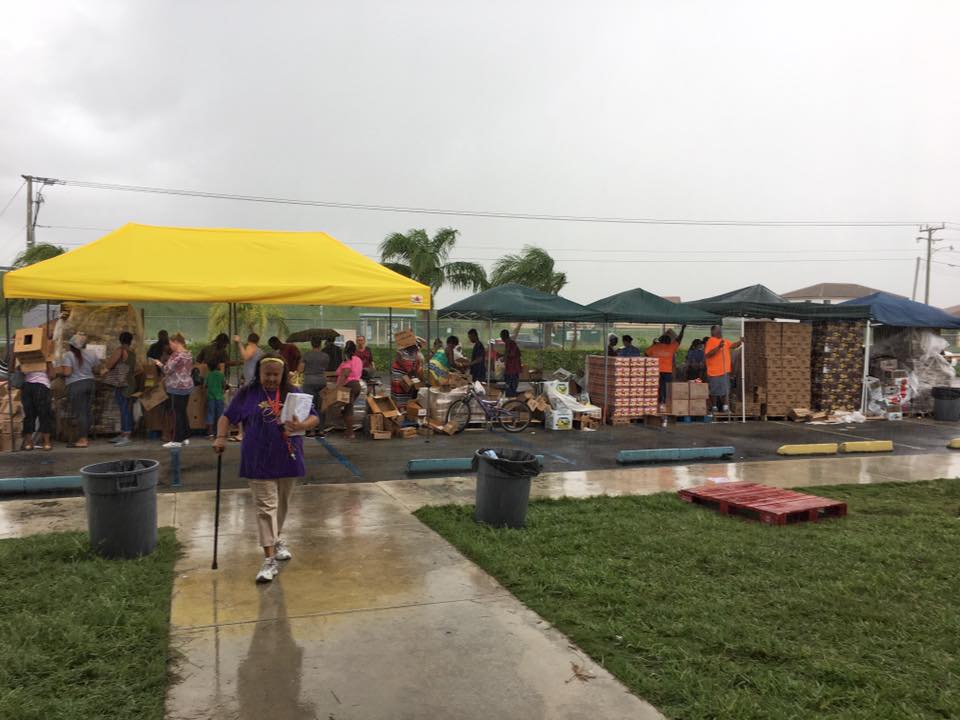
With payments issued in as few as 10 days, parametric insurance policies can provide fast and flexible dollars to be deployed after a disaster. This is exactly what we’ve aimed to do through the Miami Disaster Resilience Fund, a permanent, revolving collaborative fund that supports disaster preparedness and equitable long-term recovery.
Our parametric insurance policy enables us to amplify the Fund’s impact. The policy’s rapid fund release will allow us to quickly move money to the nonprofits acting as first responders in their communities, strengthening their capacity to activate swiftly and effectively during a crisis.
Overall, this policy will allow us to provide crucial financial support to Greater Miami’s most vulnerable communities the moment they need it most: immediately after disaster strikes. Moreover, the pre-arranged payout structures of parametric policies offer a degree of predictability during otherwise uncertain times, bolstering our pre-crisis preparation.
You can join us in supporting Miami’s disaster readiness by contributing to the Miami Disaster Resilience Fund. If you’re a member of a nonprofit engaged in disaster preparedness, relief, recovery or resiliency initiatives in Miami-Dade County, sign up for our Miami Strong Disaster Resilience Network, a collective of grassroots organizations across the county that step forward in times of need.
As Ground Zero for climate risk, Greater Miami is at a critical moment and place – one that demands the pursuit of new solutions to shore up against disaster. We’re proud to lead the way in that pursuit — nationally and locally –, inspiring a reimagining of how foundations like ours respond to climate crises. When disaster strikes, we hope this policy will serve as a proof of concept, demonstrating the potential of parametric insurance in amplifying disaster response funds. As our climate evolves and disasters intensify, so must our approach to preparedness.