Miami Open for Business
Miami Open for Business was a pandemic-era initiative made possible by a $20 million grant from Wells Fargo. The pandemic laid bare the inequities that exist in small business entrepreneurship: while minorities and women are creating and growing businesses at a faster rate than their peers, they tend to have lower revenue and receive fewer loan approvals, among other challenges, all of which were worsened by the pandemic.
For this reason, Wells Fargo poured back into small businesses in five key cities across the country, including Miami – creating Miami Open for Business. Launched in 2022, this program had an explicit focus on asset-building and asset ownership to make small businesses (and nonprofits, which were also eligible to benefit from the program) more resilient and capable of building generational wealth.
The Impact
OF FUNDING RECIPIENTS
ARE WOMEN-LED ORGANIZATIONS
JOBS PRESERVED
JOBS CREATED
INCREASE IN REVENUE FOR
PARTICIPATING BUSINESSES
ACRES OF LAND
ACQUIRED THROUGH CREO
The Miami Open for Business Approach
The program prioritized small business owners and nonprofit leaders in specific Miami communities that have been historically overlooked and underinvested. We developed two core ways to serve them: by providing financing and technical assistance.

Financial Products
$15 million was distributed in the form of three financial products, informed by deeply listening to stakeholders and small businesses in the community:

Technology and Equipment Microgrant
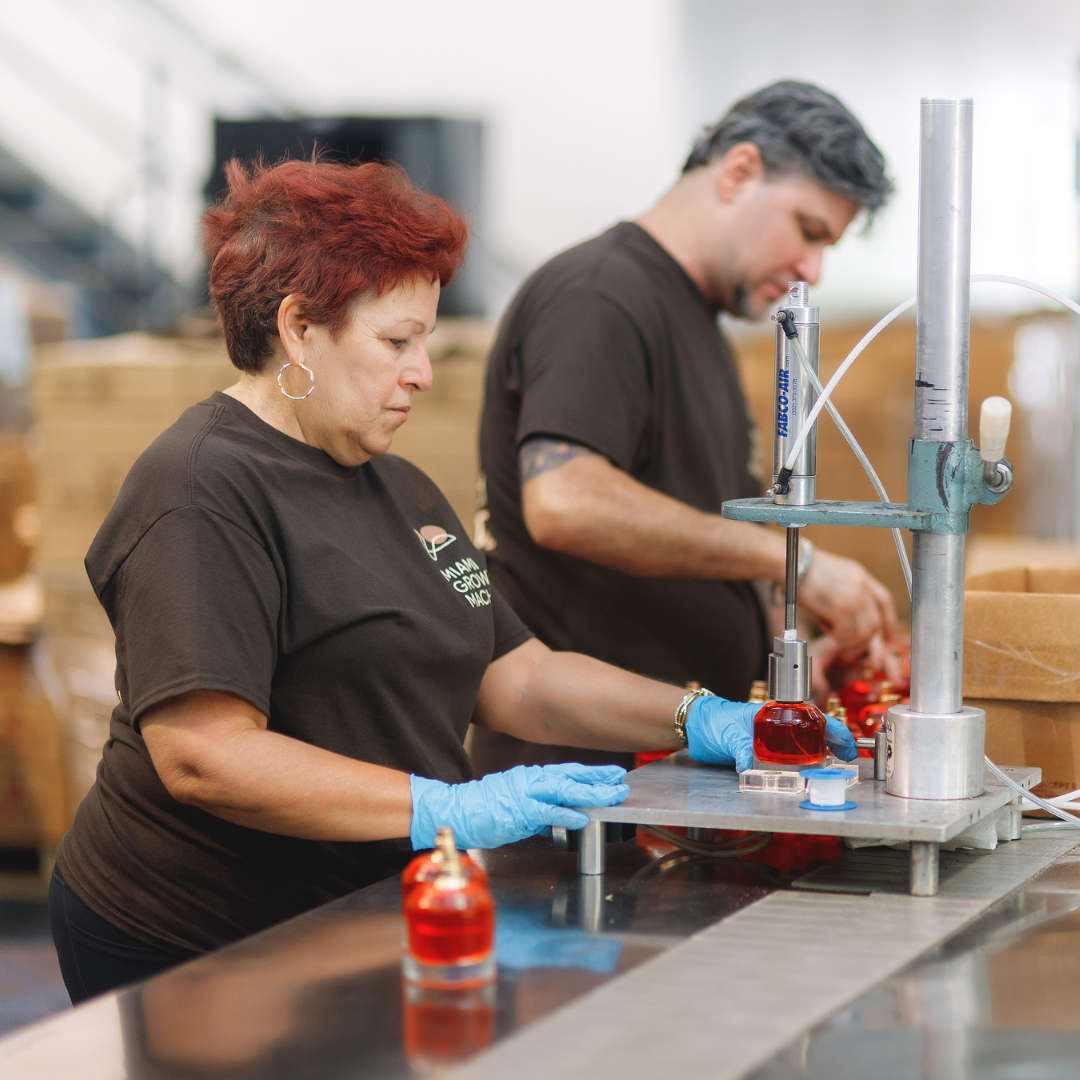
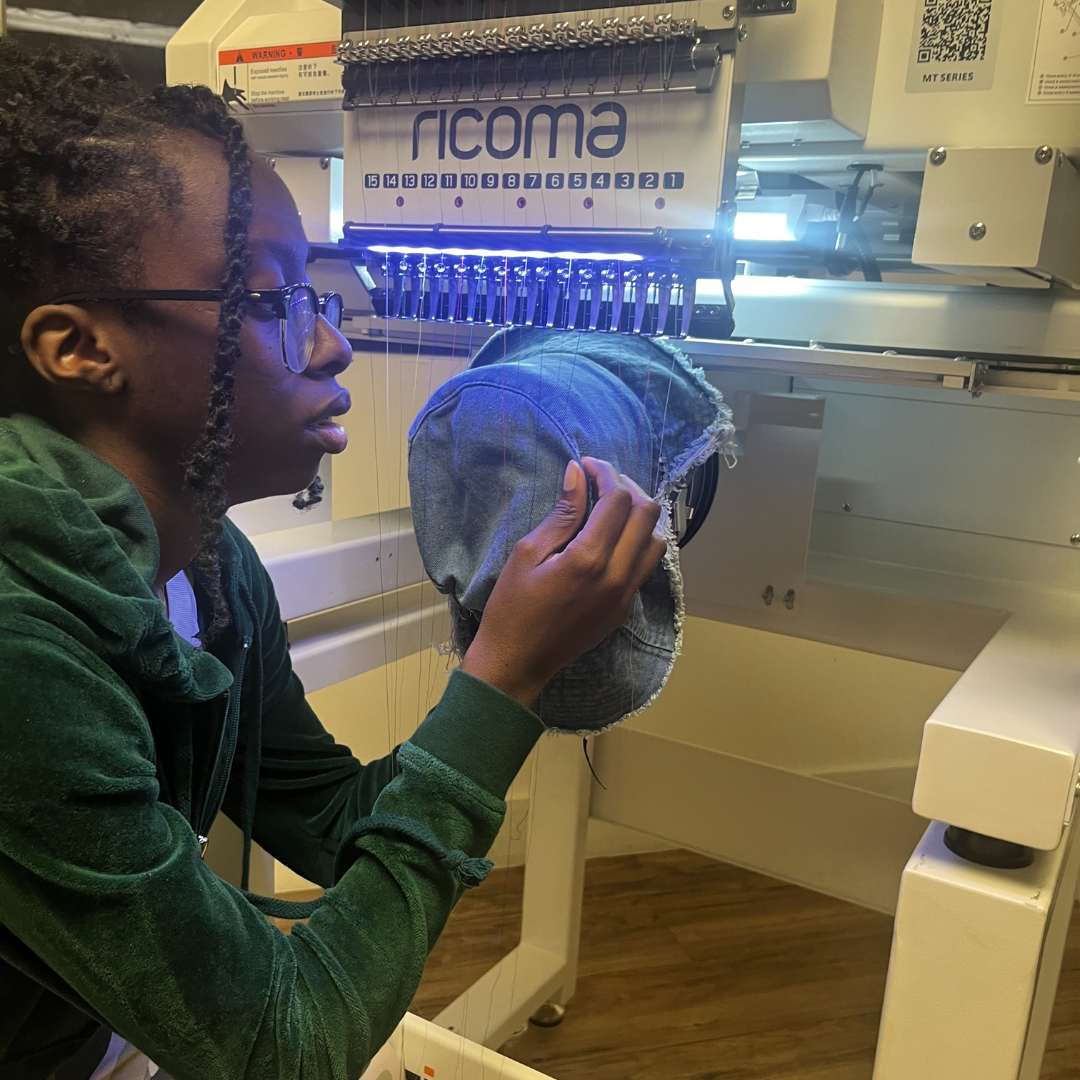
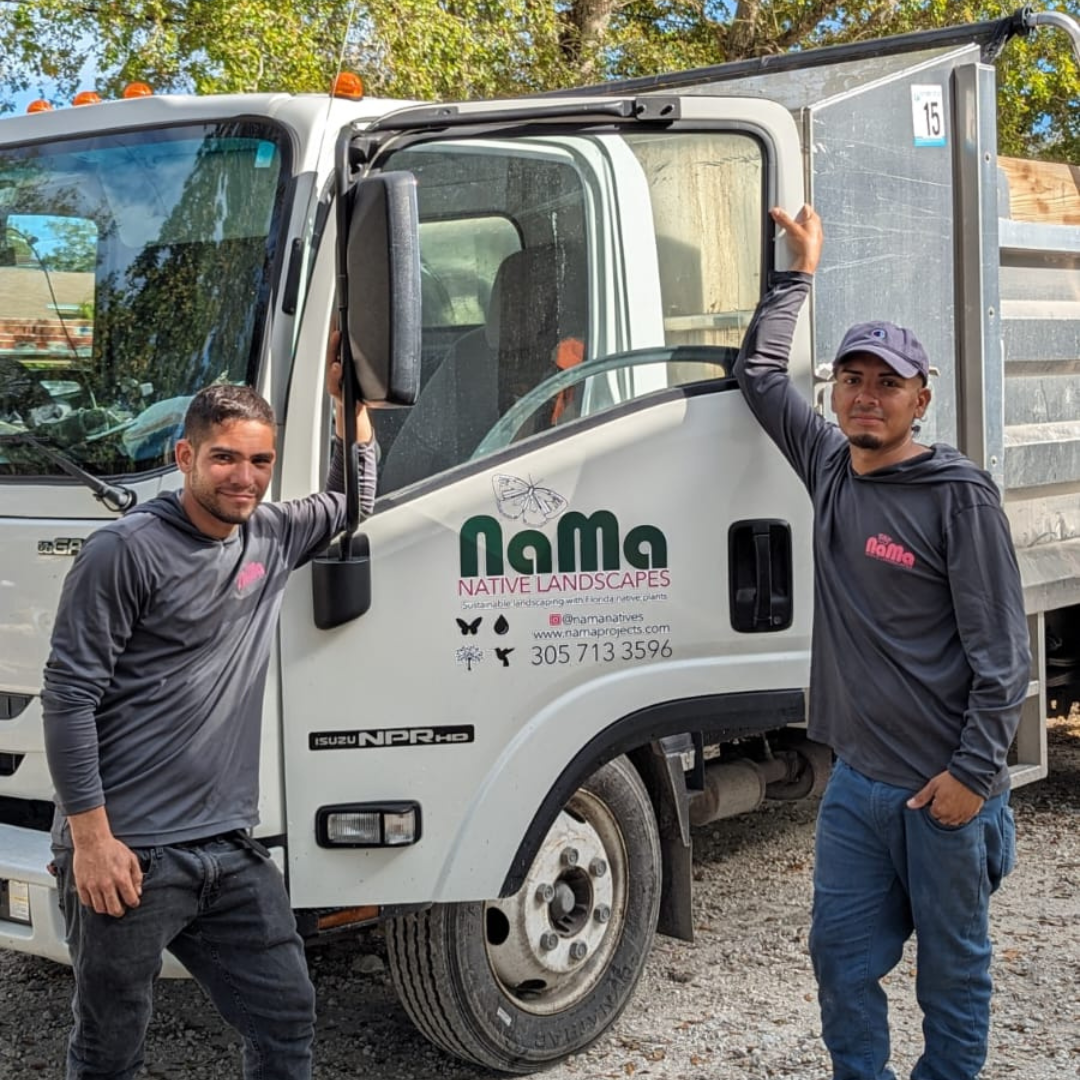
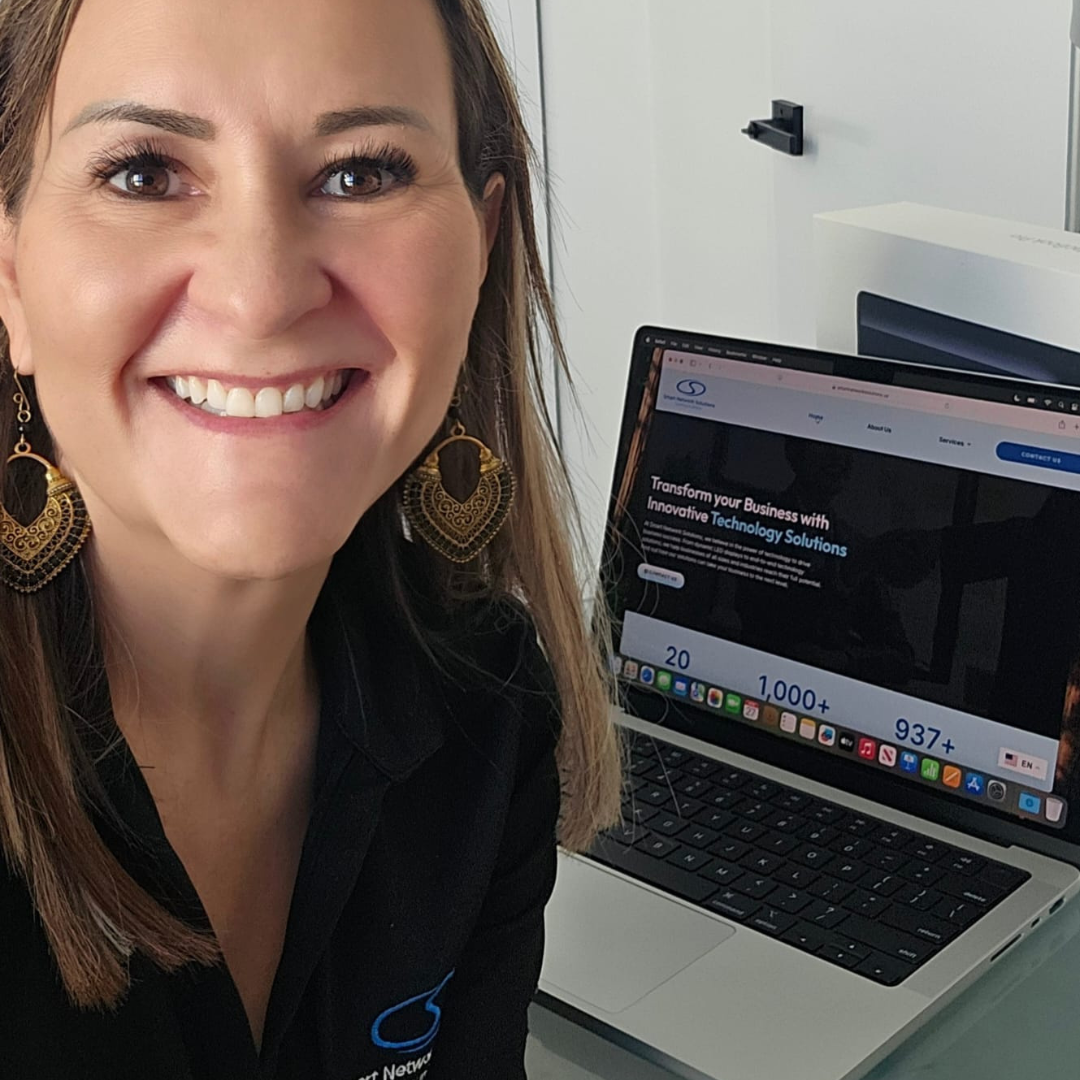
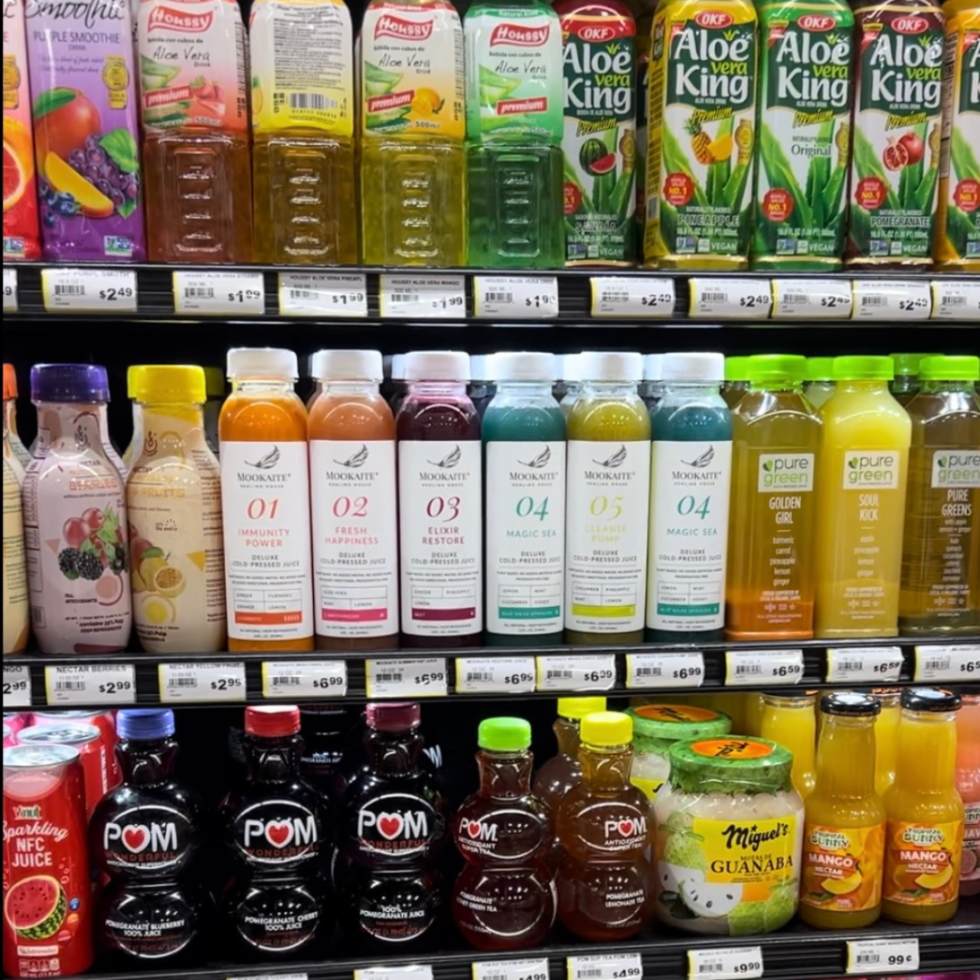
A grant of up to $20,000 that allowed entrepreneurs to invest in their business through the purchase of a technology asset or a piece of equipment, such as a pizza oven or pedicure chair.
distributed to 370+ businesses and nonprofits
Asset Building Loan for Entrepreneurs (ABLE)
A low-interest loan of up to $100,000 that helped businesses and nonprofits buy inventory or a vehicle, remodel their property, or refinance predatory debt, among other purposes. Repayments will allow initial grant funds to be recycled into future community development projects.
distributed to nearly 60 borrowers
Collective Real Estate Ownership (CREO)
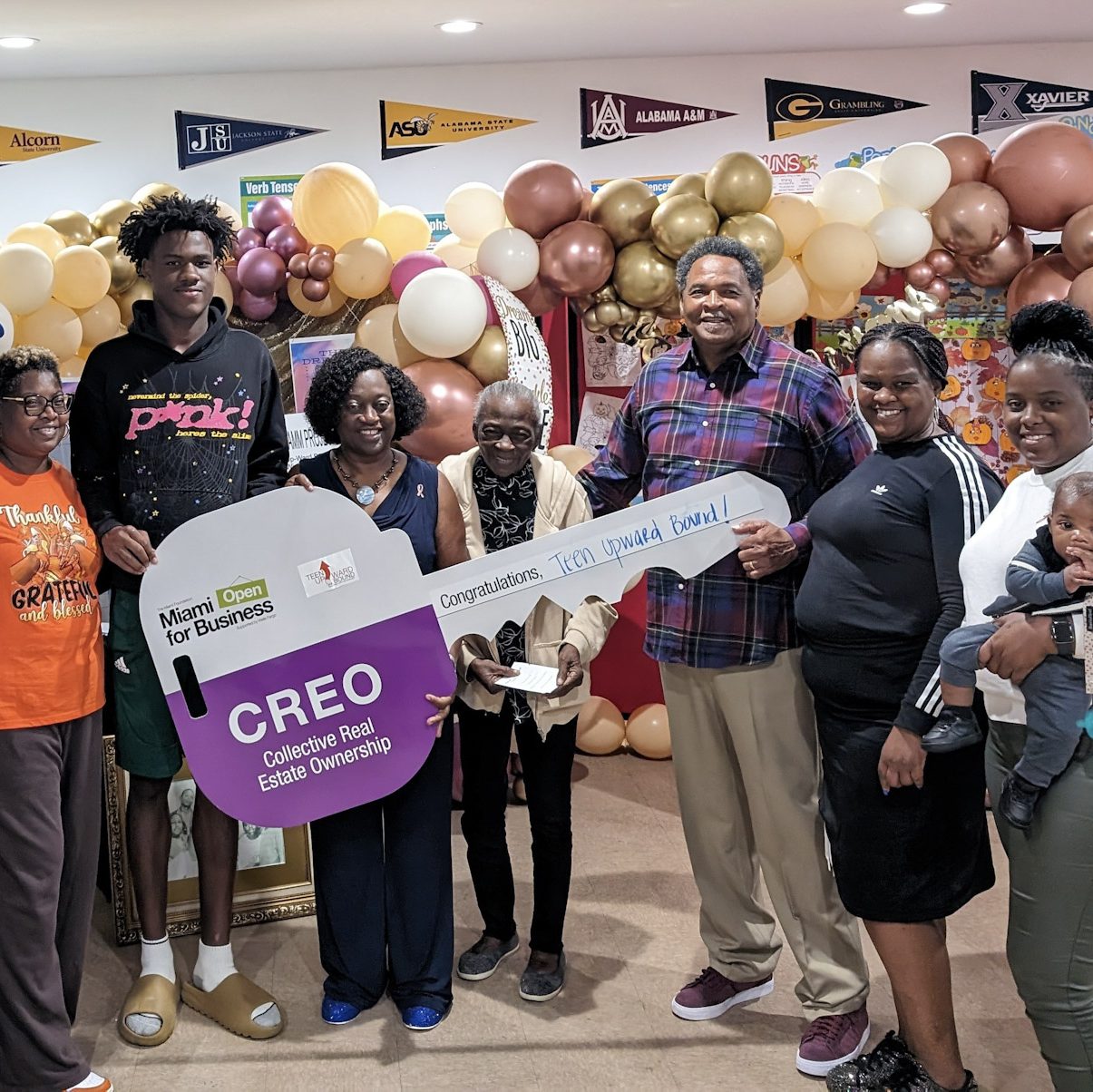
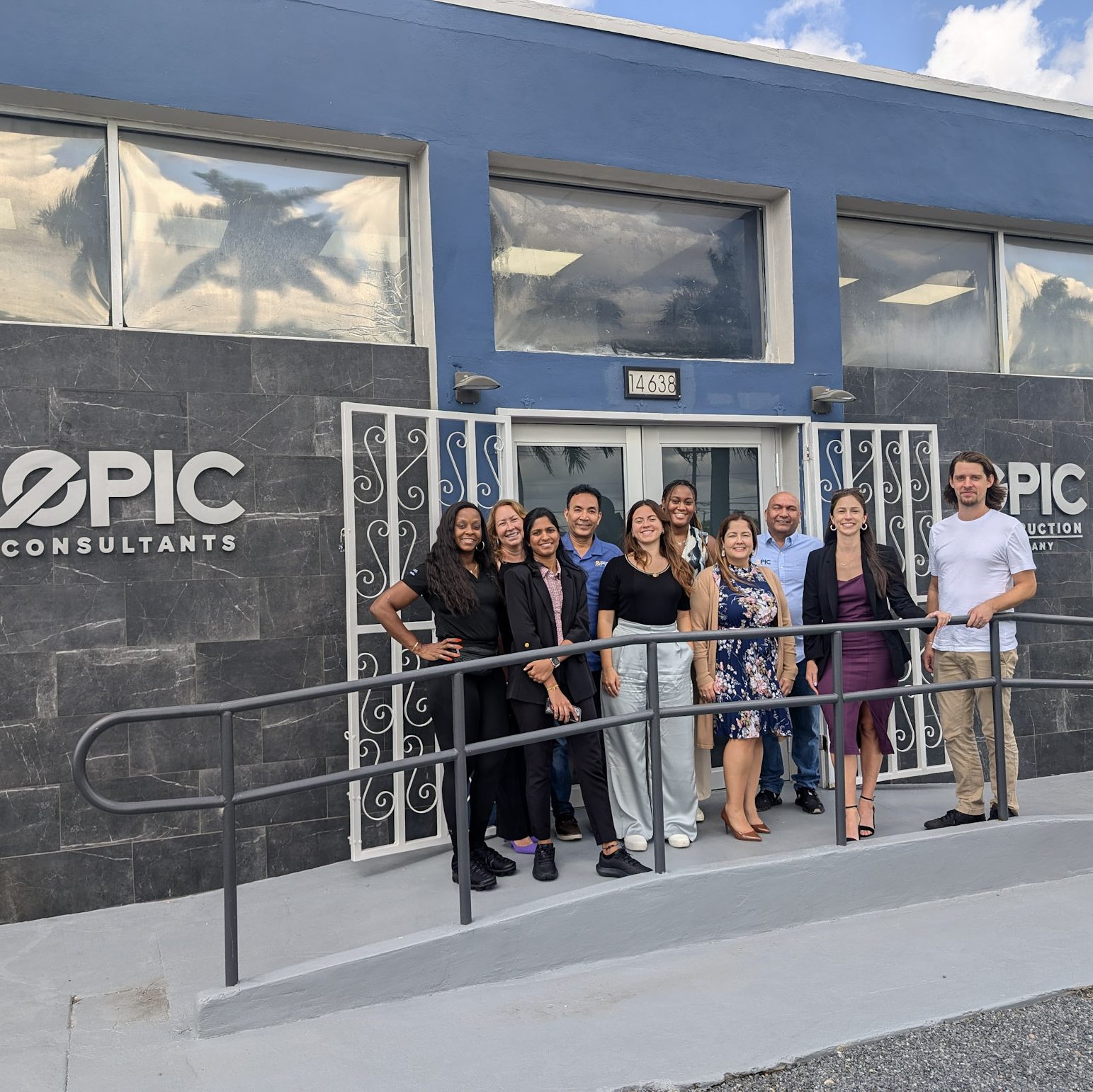
A fully forgivable loan of up to $500,000 to help small business owners and nonprofit leaders make a down payment on commercial real estate in a historically underinvested community. Properties had to be held in a collective ownership model with another business or organization to spur shared equity.
allocated to help close 15 deals housing almost 40 businesses and nonprofits, demonstrating the multiplier effect of collective ownership
We thank our key financial partner, Partners for Self Employment, led by Maria Coto and Gilda Torres, for their invaluable support in managing the small business microgrant and ABLE loan components of this program.
Technical Assistance
Miami Open for Business also empowered entrepreneurs with knowledge. Nearly $2 million was used to build a community of technical assistance providers across target communities in Miami who helped businesses apply for financing, organize their books, better understand marketing, and more. Technical assistance providers collectively provided over 1,300 businesses with more than 15,000 hours of assistance. Roll over the logos to see which neighborhoods these providers served.
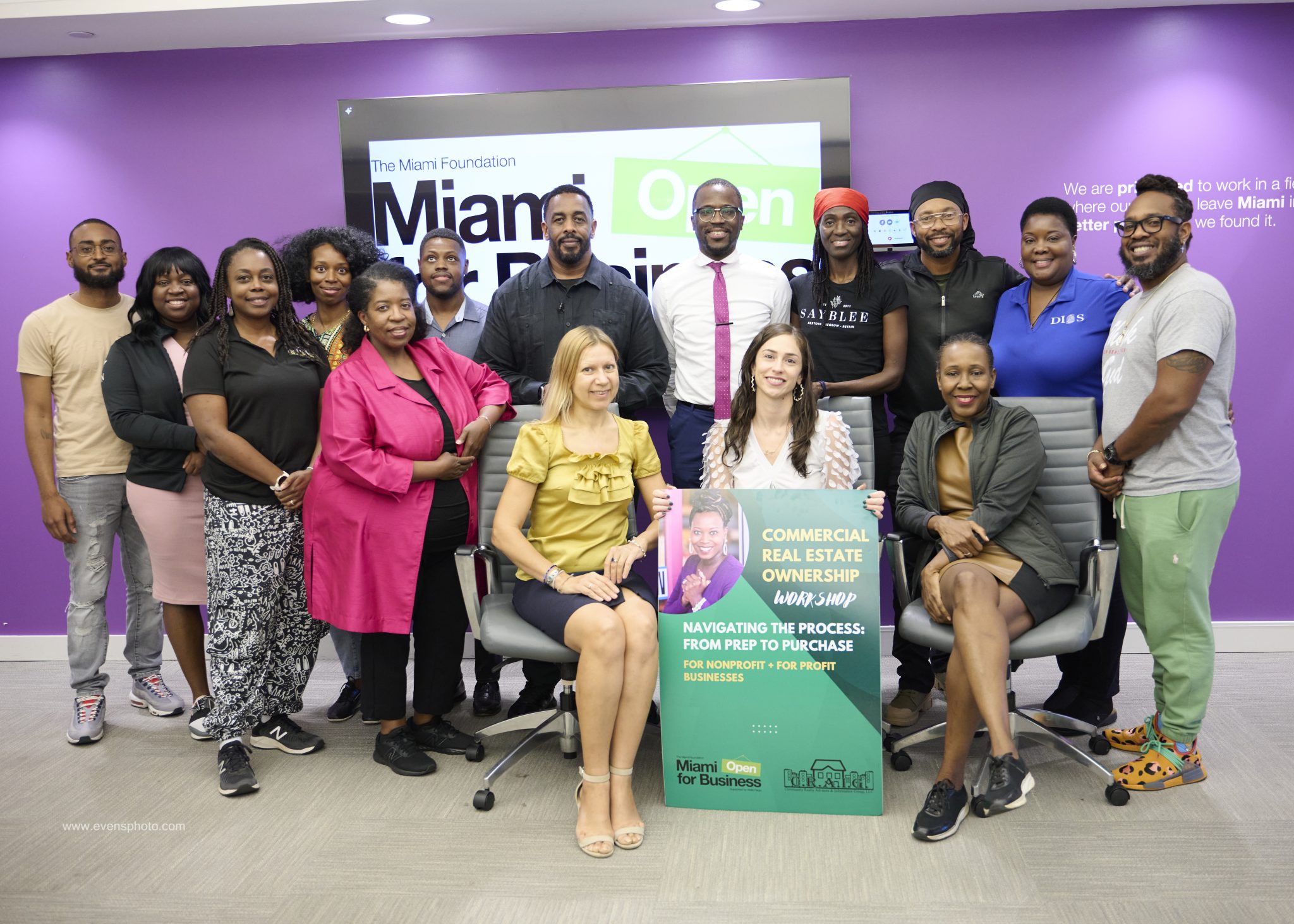
Outside of the technical assistance program, Miami Open for Business also hosted a series of small business workshops, including what is understood to be South Florida’s first-ever commercial real estate first-time buyer workshop.


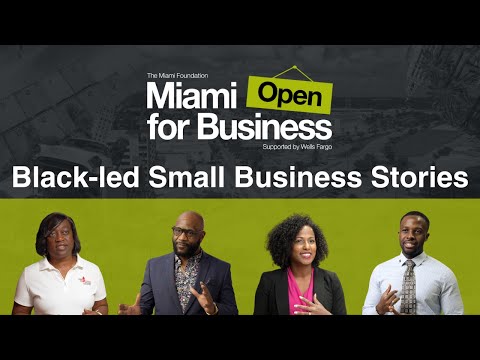
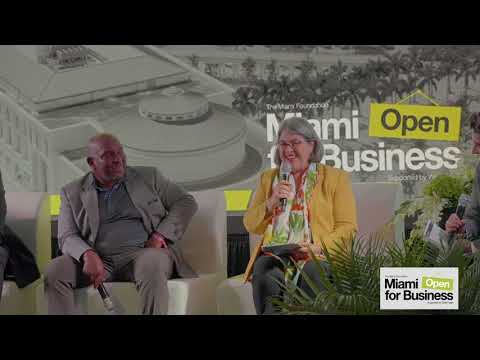
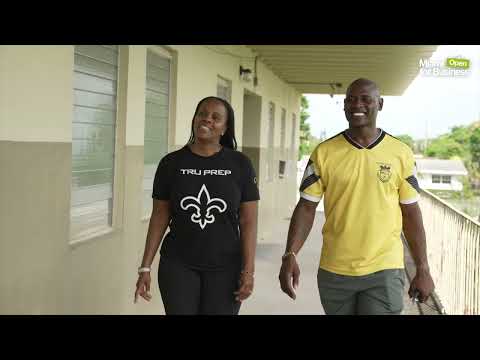
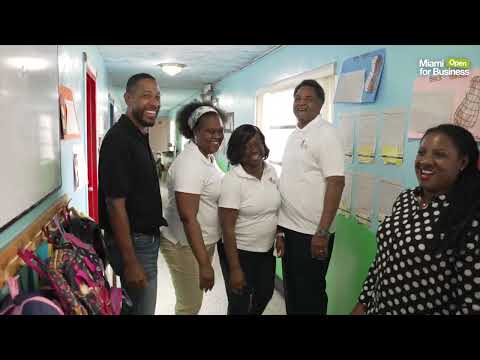
Miami Open for Business Video Library
The Lessons Learned – And Opportunities Recognized:
- We learned the importance of providing culturally appropriate technical assistance, which is necessary to overcome digital and financial literacy challenges, along with language and cultural barriers.
- We learned the importance of working with trusted community-based partners; support is more accessible when it’s decentralized, and trusted partners helped us be nimbler and more innovative.
- We recognized the challenges of navigating commercial real estate, specifically the limited options for financial support.
- We see an opportunity to build a regional philanthropic impact investing alliance where financial resources can be pooled in support of community development projects.